
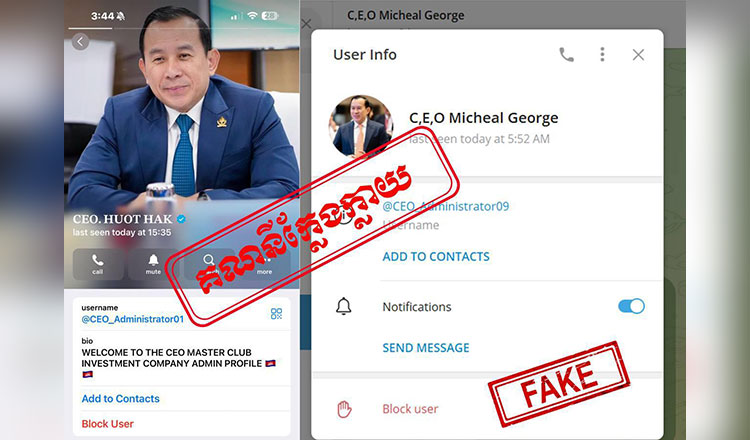
To keep you safe from falling into these traps, Broryat highlights common impersonation tactics and key ways to spot fake accounts on Telegram.
Common Impersonation Scenarios
- Boss/Executive Impersonation: Scammers create a profile using your manager's photo and display name, then send messages asking you to transfer money or purchase gift cards urgently because they are "stuck in a meeting."
- Distressed Friend or Relative: A message claiming an emergency—such as an accident, medical expense, or missed flight—asking you to send money immediately.
- Official or Support Impersonation: Posing as government officials or Telegram support agents claiming your account is compromised or illegal, demanding your OTP codes to "fix" the issue.
Key Red Flags to Watch For
-
Check the
@username, Not Just the Display Name: Scammers can easily copy a display name and profile picture. However, Telegram@usernamesare unique. Scammers often use subtle typos (e.g., changing@admin_supportto@admiin_support). - High-Pressure Urgency: If the message demands action "immediately," "urgently," or asks you to "keep it secret," it is almost certainly a scam.
- Requests for Money or OTP Codes: Legitimate organisations, bosses, or support staff will never ask for your Telegram OTP codes or direct money transfers via private chat.
How to Protect Yourself
- Cross-Verify via Another Channel: If you receive an unexpected request for money or sensitive details, call the person directly on their phone or verify through official corporate/organisation channels.
- Never Share OTP Codes: Your OTP is the key to your account. Never share it with anyone, regardless of who they claim to be.
- Analyse Suspicious Content with Broryat: When in doubt, use @broryat_bot to scan suspicious links, files, and potential phishing content before taking action.